Writing for the Profession, Preserving the Memory of Taste
The opening editorial by Editor-in-Chief Djamila Khiari
Download article PDFIn this article
 Scan to verify the article
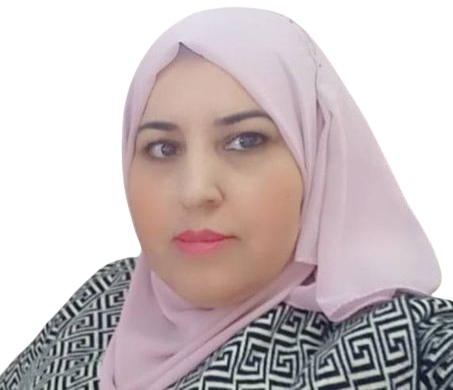
Djamila Khiari
Editor-in-Chief, IUOAMC MEDIA Magazine
Membership ID: MC5470MS · IUOAMC-MED-2026-C67B14E2
Editorial responsibility begins before publication. It begins when we ask what we truly know, who made that knowledge possible, and how our words will affect a reader learning a skill, a chef building a career, or a family preserving a recipe. I begin my role as Editor-in-Chief of IUOAMC MEDIA Magazine with this question: how can every contribution earn the reader’s time and trust?
A photograph of a dish can cross continents in seconds. Our task is to give that dish its context, its meaning and the story of its maker. Behind the finished plate lies work that a photograph cannot fully reveal: selecting ingredients, understanding their transformations, controlling a process and taking responsibility for the people who will eat the food. Good culinary journalism makes that work visible and understandable.
The value of professional detail
When we introduce a chef, one of the most valuable things we can reveal is how that person thinks. Why choose this technique? How do they recognise when dough is ready? What happens when flour behaves differently or the rhythm of service breaks down? How do they pass their knowledge to a colleague? Precise answers reveal the substance of experience and give readers knowledge they can question, test and use.
Experience deserves thoughtful language. A professional interview begins with listening and develops through questions that reach the heart of the work. I want the magazine to approach the kitchen as it is lived every day: through experimentation, correction, time and cost decisions, collaboration and respect for the people doing the work. This is where competence develops and leadership becomes tangible.
Heritage requires careful documentation
An inherited recipe carries more than quantities. It carries local names, tools, working methods and a relationship with seasons, land and occasions. It may preserve the memory of a woman whose name was never recorded, or a baker’s craft passed down orally through generations. Bringing that recipe to our pages requires us to ask who shared it, where they learned it and how it has changed.
Care is especially necessary when dishes resemble one another and several accounts of their origins coexist. We should present what the evidence supports, attribute each account and explain what remains open to investigation. Such documentation preserves culinary diversity and allows differences to deepen understanding. Preserving heritage requires an accurate description of the practice and fair recognition of those who carried it forward.
Consider a feature on a village’s traditional bread. Its value begins with recording the baker’s name, the bread’s local name, the flour and oven used, and the signs the baker relies on to judge when it is ready. We then ask how the craft was learned and what has changed in the ingredients or method. These details help readers understand the relationship between a recipe and its setting, while giving practitioners an account they can learn from. The feature becomes a professional record that preserves both knowledge and the names of its holders.
Knowledge readers can use
An educational article should make its procedures and limits clear. A usable recipe needs precise quantities, temperatures appropriate to the process, observable signs of progress and explanations of likely errors. When describing a product or technique, we should distinguish what was tested, what was observed and what needs further investigation. This gives readers a sound basis for their own decisions.
Our responsibility becomes greater when covering food safety, nutrition or professional assessment. The strength of a claim must reflect the strength of its evidence, with specialist advice sought where needed. Respect for knowledge means making it understandable; respect for readers means explaining its limits without obscurity or misleading promises.
Trust is built through practice
I aim for an editorial approach that credits writers and photographers, identifies paid or promotional content and makes room for the correction of documented errors. A public correction extends the responsibility that begins with publication. Readers deserve to know what changed and why; contributors deserve clear recognition for their work.
I also want these pages to welcome expertise wherever it is found: in a chef developing an approach, an artisan preserving a demanding technique, a researcher explaining a material transformation, or a teacher making a skill accessible. I look forward to fair representation of women, young professionals and local initiatives, with careful attention to their work and space for serious experience to speak for itself.
In this first editorial, I set out a vision against which to measure my own work: that readers leave our pages with clearer information, deeper questions and a more informed appreciation of the effort behind the profession. I invite practitioners to share their work, sources and questions so that we can write about food with knowledge, judgement and fairness.
We write because the profession deserves to be understood. We document because the memory of taste deserves to reach the future with its makers’ names and the truth of their experience intact.
Editorial artwork created for this article using the Editor-in-Chief’s portrait.
IUOAMC MEDIA | AI-assisted editorial artwork Source or licence URL