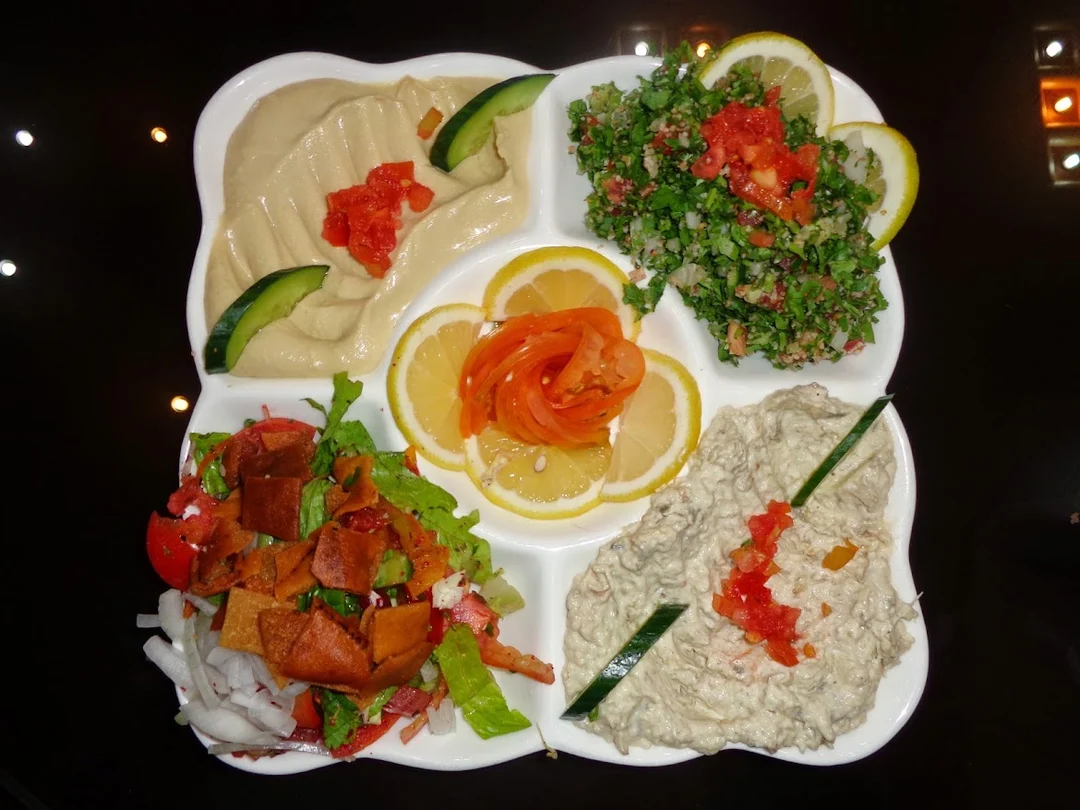
Lebanese mezze — the heritage of a shared table
Download article PDFIn this article
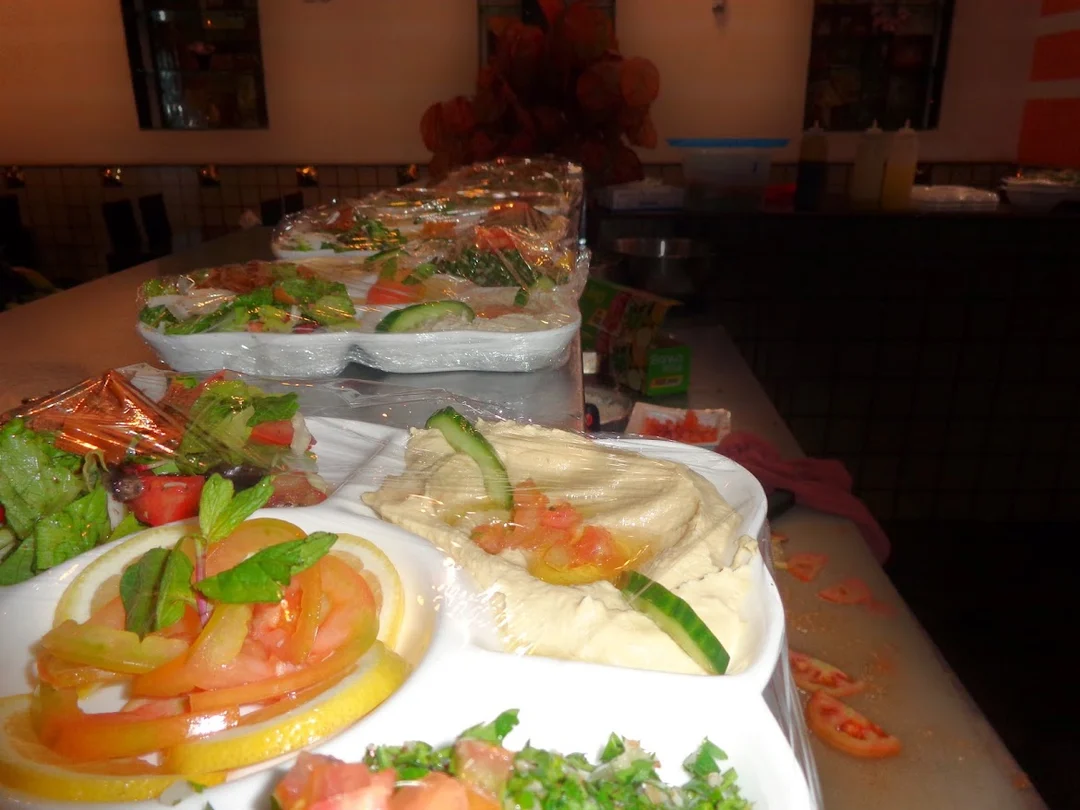
When tabbouleh, fattoush, hummus and aubergine mutabbal share a table, each guest can build a different bite. A scoop of creamy hummus on bread may be followed by the crunch of toasted pita in fattoush. This is how Lebanese mezze works. Small dishes are set out to share, each with a distinct character and room for guests to combine them as they like.
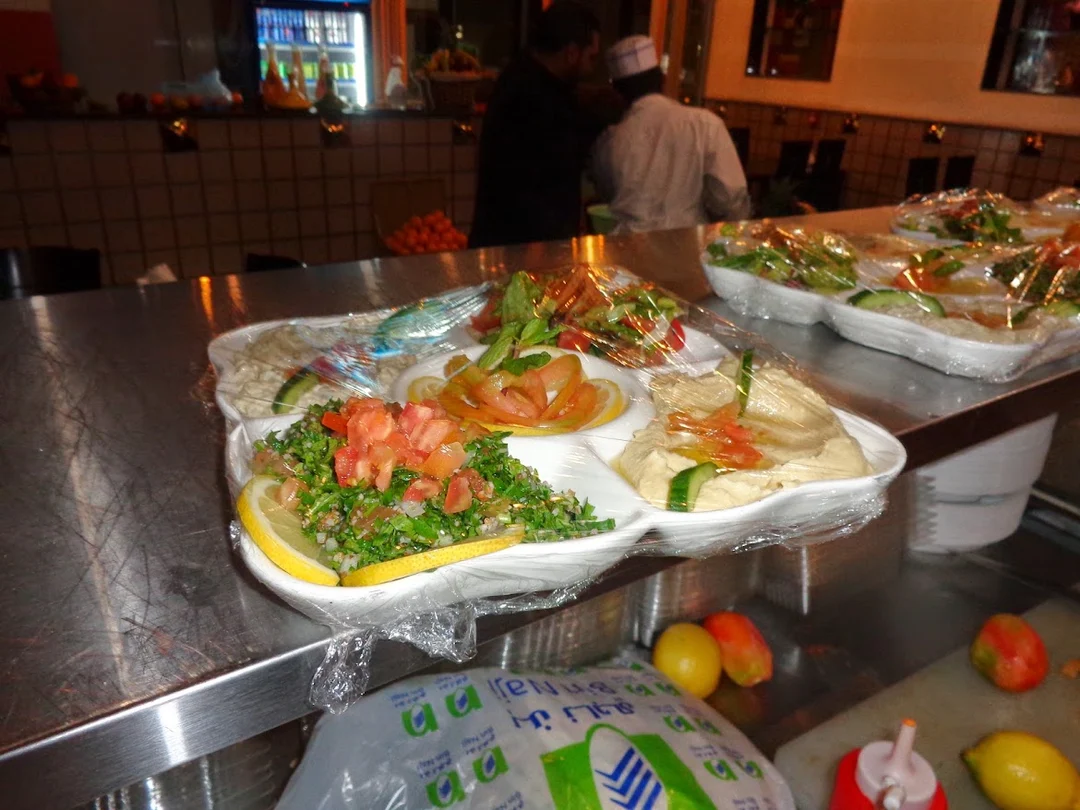
What gives each dish its character?
Tabbouleh
Parsley is the base, while mint adds an aroma that remains apparent after dressing. Fine bulgur adds texture, and tomatoes and lemon bring juiciness and acidity.
Fattoush
Chopped vegetables meet toasted or fried bread and the tartness of lemon and sumac. The timing matters because the bread softens as it absorbs the dressing.
Hummus with tahini
Cooked chickpeas give the dip body, tahini adds sesame flavour, and lemon balances its richness. A little water can adjust the consistency depending on the tahini.
Aubergine mutabbal
Roasted aubergine gives this dip its character. The roasted flavour pairs with tahini, and draining the aubergine helps control the consistency.
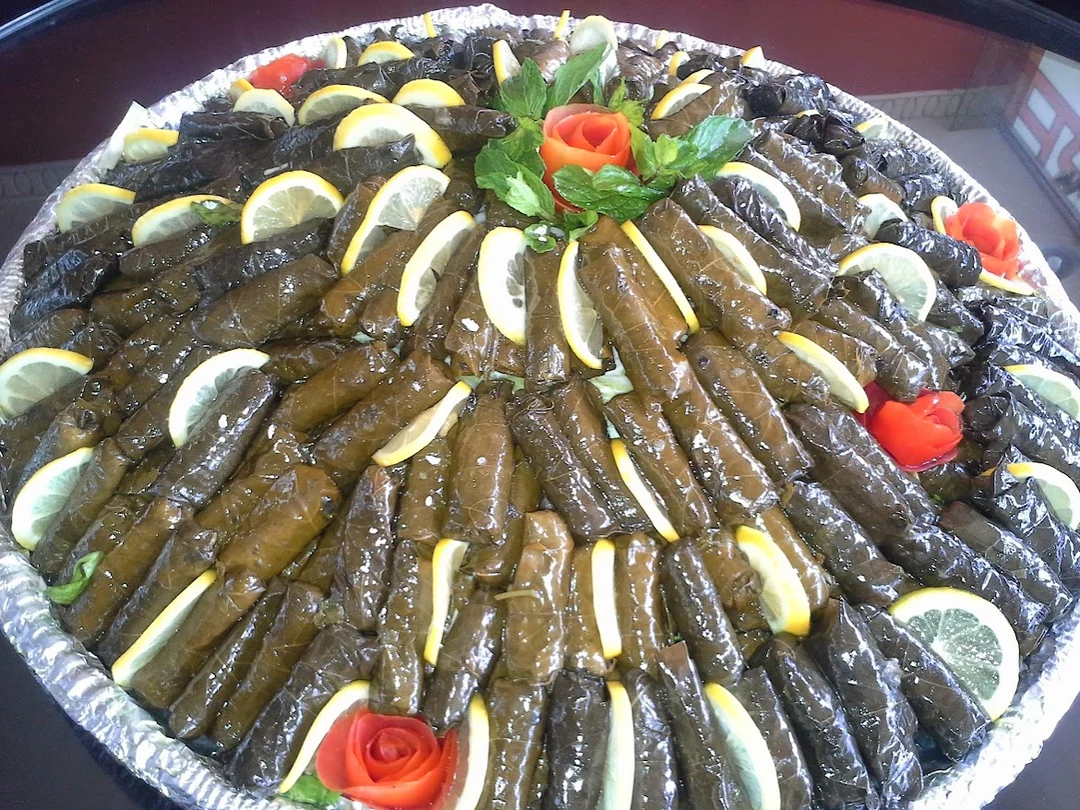
Stuffed vine leaves
On many Lebanese tables, the olive-oil version is served as a cold mezze, with a filling of rice, herbs and vegetables and a bright lemon note. Fillings vary between recipes.
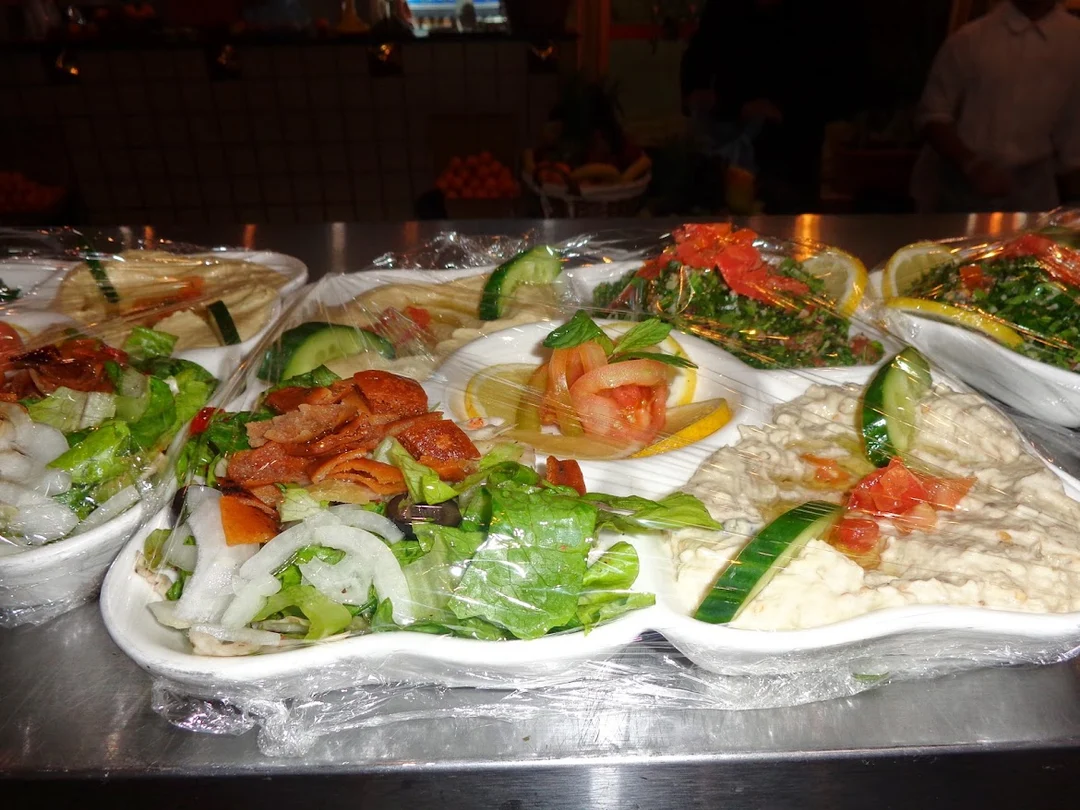
What do these dishes contribute nutritionally?
Vegetables and herbs contribute fibre and a range of vitamins, while cooked chickpeas provide plant protein and fibre. Olive oil supplies monounsaturated fats. Nutritional values vary with portion size, oil and salt quantities, and how the bread is prepared. For guests, identify sesame in tahini and wheat and gluten in bread and bulgur.
Ingredient composition data — USDA FoodData Central.
Heritage practised at the table
Hospitality begins by placing dishes within reach of everyone. The selection can change with the season and with what each household likes to serve. Colour and texture are part of the experience: fresh greens beside creamy hummus, and roasted aubergine alongside tart salads. The host’s care is visible in small details, such as dressing the salad just before serving and adding the bread at the last moment.
Sharing begins with the way the dishes are set out
With bread and small plates in the middle of the table, guests can return to a dish they enjoyed and try a different combination with each bite. Hosts can bring out dishes in stages, starting with fresh salads and adding dishes that are best served hot. Care shows in practical details, from putting dishes within reach and providing a serving spoon for each to leaving room for plates to be passed and conversations to carry on.
From the season to the mouneh pantry
Fresh herbs and vegetables meet ingredients from the mouneh, the pantry of foods households preserve from seasonal harvests. Olive oil may come from the olive harvest, while dried sumac or pomegranate molasses can bring tartness to particular recipes. Olives, pickles and makdous can add variety, depending on what the household has put up. The pantry helps explain why the selection changes over the course of the year.
One dish, several family versions
One household might make fattoush with toasted bread, while another prefers it fried. The acidity of tabbouleh or the amount of tahini in mutabbal can vary with family taste and the ingredients at hand. Documenting those choices alongside weights and preparation steps gives readers a version they can reproduce and helps them understand how it differs from the one they know.
Skills passed from hand to hand
When rolling vine leaves, a learner discovers how much filling will let the leaf close neatly and how to arrange the rolls on the platter. Tabbouleh teaches the importance of drying herbs before chopping. With fattoush, tasting the dressing on a bite that includes both bread and vegetables gives a more useful result. A recipe card can preserve this practical knowledge by recording where the recipe came from in the family, how it is served, and the textures and flavours that people familiar with it expect.
Further reading on Lebanese mouneh — American University of Beirut.
From table to kitchen